
Behavior · Reptiles
Reading Your Snake: What Their Body Language Tells You
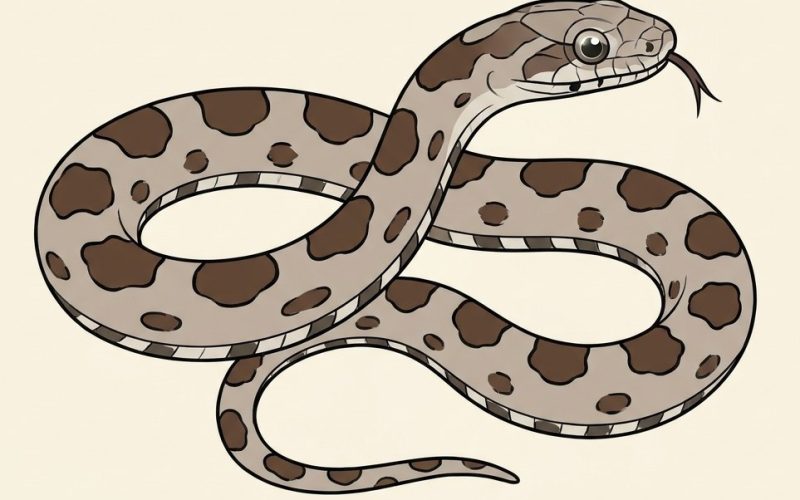
Learn how snakes show comfort, uncertainty, and distress through movement, coiling, grip, and tongue flicking, and what to do at each level during handling.
Written or reviewed by a board-certified veterinary behaviorist
Practical, research-based help for dogs, cats, birds, horses, backyard chickens, and every pet in between. Written or reviewed by Christine D. Calder DVM, DACVB.


Christine D. Calder DVM, DACVB
Author and board-certified veterinary behaviorist
Learn how snakes show comfort, uncertainty, and distress through movement, coiling, grip, and tongue flicking, and what to do at each level during handling.
A pet who holds still is not always cooperating. Learn the difference between assent, consent, tolerance, and coercion, how degrees of freedom and the constructional approach apply, and what true cooperative care looks like.
Cooperative care teaches pets to take part willingly in grooming, handling, and veterinary care, and to tell us when they are ready. Learn about start buttons, how to teach cooperative care, and skills worth practicing.
Low Stress Handling® teaches humane, effective ways to handle dogs and cats. Learn Dr. Sophia Yin's handling principles and what they mean at the veterinary visit, the groomer, daycare, with pet sitters and dog walkers, and in shelters.
DACVB, VTS, CAAB, CDBC, CPDT-KA. Learn what the alphabet soup after a pet professional's name means, why every professional should stay in their own lane, and why referral, medical and behavioral, is always a good option.
Animal training is not regulated, so anyone can call themselves a trainer. Learn what a qualified trainer looks like, the questions to ask, red and green flags, and how to find a trainer who works with cats.
A sudden change in behavior can be a sign of pain or illness, so start with your veterinarian. These are other options to consider. AskPetVet is not affiliated with Dr. Shannon Emmons, Eliot Veterinary Hospital, or Haulin' Aus, Inc.